
Adult bears, whether in the wild or in captivity, face a lot of health issues. These can really affect their quality of life and how long they live. osos maduros enfermedad is a serious topic. You might be wondering why this matters.
Well, if you’re involved in caring for or conserving adult bears, you need to know this stuff.
This article covers the common health conditions affecting adult bears. I’ll talk about symptoms, causes, and how to manage these issues. It’s based on expert veterinary advice and the latest research.
So, you can trust what you read here.
You’ll get essential information to help you understand and manage the health of adult bears. Let’s dive in.
Common Health Conditions in Adult Bears
Arthritis is a real pain for adult bears. Imagine your joints feeling stiff and sore, especially on cold mornings. It’s not just about the pain; it’s the way it limits their movement.
Dental issues are another big problem. Think about tooth decay and gum disease. These can make eating tough, and you might notice a bear drooling or pawing at its mouth.
Prevention is key. Regular check-ups and a balanced diet can help. Clean teeth feel smooth, and healthy gums don’t bleed when you brush them.
Obesity is a growing concern. Overweight bears move slower, and their breathing can be heavy and labored. The extra weight puts a strain on their hearts and joints, making every step a challenge.
Managing weight is crucial. A balanced diet and regular exercise can make a big difference. You might see a bear playing more, moving with more ease, and looking healthier overall.
osos maduros enfermedad can be a serious issue, but with the right care, many of these conditions can be managed. It’s all about keeping an eye on their health and making sure they stay active and well-fed.
Nutritional Needs and Diet-Related Conditions
Balanced Diet
Adult bears need a balanced diet to stay healthy. This means getting the right mix of proteins, fats, and carbohydrates. Fruits, vegetables, and fish are key.
Malnutrition
Malnutrition can hit bears hard. It leads to weakness, poor fur quality, and even osos maduros enfermedad. Long-term, it can shorten their lifespan.
To avoid this, make sure their diet is varied and meets all their nutritional needs.
Food Allergies and Inttolerances
Bears can have food allergies and intolerances too. Symptoms might include digestive issues or skin problems. If you suspect an allergy, try eliminating certain foods one at a time.
See if the symptoms improve.
Always consult with a vet for specific dietary advice. They can help tailor a diet that keeps your bear in top shape.
Parasites and Infectious Diseases
Internal parasites can be a real pain. They come in different types, like worms and protozoa, each with its own set of symptoms. Common signs include digestive issues, weight loss, and fatigue.
Effective treatment methods usually involve medications prescribed by a healthcare provider.
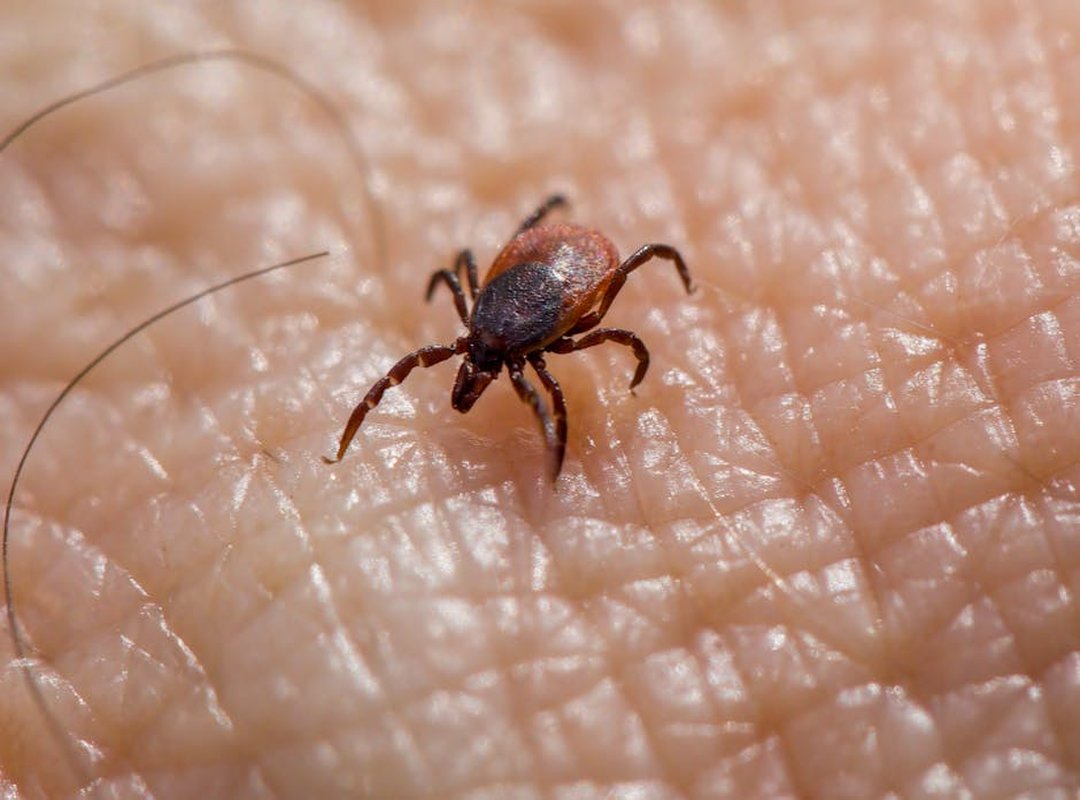
External parasites, on the other hand, are just as troublesome. Ticks and mites, for example, can cause skin irritation and even transmit diseases. Controlling them often involves using repellents and keeping your environment clean.
Infectious diseases are another major concern. They can spread through various means, such as contact, air, or vectors like mosquitoes. Preventive measures include good hygiene, vaccinations, and avoiding exposure to infected areas.
One disease you might not have heard of is osos maduros enfermedad. It’s important to stay informed about these less common conditions too.
What’s next? You might be wondering how to stay ahead of these health threats. Regular check-ups and staying updated on the latest medical advice can help.
And if you’re into predicting market movements tools and techniques, it’s a good idea to apply similar proactive strategies to your health.
Behavioral and Mental Health Concerns
Stress and anxiety can really take a toll on adult bears. Just like us, they face a lot of pressures.
Think of it like this: if you were in a zoo, wouldn’t you feel stressed too? The same goes for bears. They need a calm, natural environment to thrive.
- Identify the sources of stress.
- Create a more natural habitat.
- Provide enrichment activities.
Behavioral problems often arise from these stressors. Osos maduros enfermedad is a real issue, and it can lead to aggressive or destructive behavior.
Imagine a bear pacing back and forth in its enclosure. That’s not just boredom; it’s a sign of deeper issues.
To tackle this, behavior modification and training are key. It’s like teaching a dog new tricks, but with a lot more fur and claws.
Consistency and positive reinforcement go a long way. Just like how you might reward a child for good behavior, the same applies to bears.
Preventive Care and Regular Check-Ups
I remember the first time I took my bear, Bruno, to the vet. He was a bit nervous, but it turned out to be a smooth experience. Regular veterinary visits are crucial for keeping your bear healthy.
- Why regular check-ups matter:
- Early detection of health issues.
- Maintenance of overall well-being.
- Prevention of more serious problems down the line.
During a typical exam, the vet will check Bruno’s weight, listen to his heart and lungs, and examine his fur and skin. They might also take a blood sample to check for any underlying conditions. It’s all pretty straightforward, and Bruno even gets a treat at the end.
Vaccinations are another key part of preventive care. Adult bears need specific vaccines to stay protected.
- Recommended vaccinations:
- Rabies
- Distemper
- Parvovirus
- Adenovirus
The schedule for these vaccines can vary, so it’s best to consult with your vet. They’ll set up a plan that works for your bear’s age and health status.
One thing I learned is that osos maduros enfermedad can be a real concern if you skip these check-ups and vaccinations. It’s better to be safe than sorry.
Regular check-ups and timely vaccinations are simple steps that make a big difference in your bear’s life. Trust me, it’s worth the effort.
Ensuring the Longevity and Well-Being of Adult Bears
The article highlights several key health conditions that can affect adult bears, including dental issues, obesity, and osos maduros enfermedad. Regular check-ups are crucial for early detection and management of these conditions. A balanced diet, rich in essential nutrients, helps maintain their overall health.
Creating a stress-free environment is also vital, as stress can exacerbate many health problems. By staying informed and seeking professional veterinary advice, caretakers can ensure the best possible care for adult bears.
 Zoranna Orricsona, the founder of Factor Crypto Edge, is a visionary leader committed to making the complex world of cryptocurrency more accessible and transparent. With her passion for digital finance and blockchain innovation, she established the platform to deliver timely news, in-depth market analysis, and practical trading insights. Her dedication ensures that both novice and experienced traders can navigate the fast-evolving crypto space with confidence and clarity.