
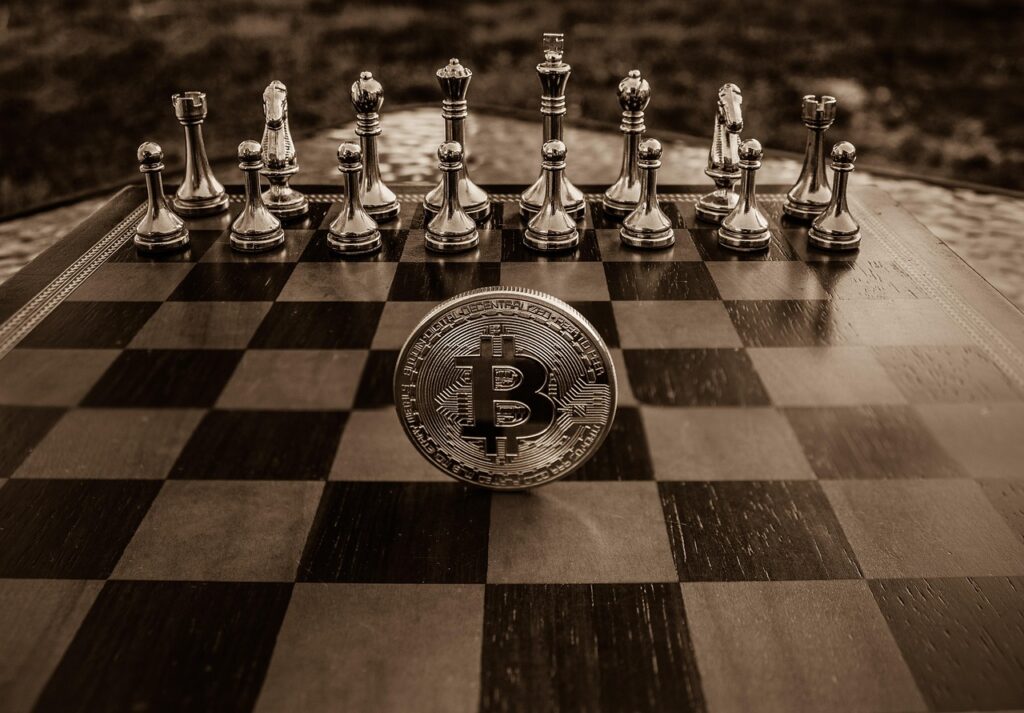
Why Risk Management Isn’t Optional
When it comes to cryptocurrency, the stakes are higher and faster than in any other asset class. Ignoring risk management isn’t just reckless, it’s expensive.
The Speed of Volatility
Cryptocurrency markets are infamous for violent price swings. A coin can surge 40% overnight and crash 60% the next day.
Unlike traditional markets, crypto trades 24/7 with no off hours to reset
Global news, social media, and sentiment can trigger instant moves
Thin liquidity on some tokens amplifies price action
Bottom line: What happens in days in crypto might take months in stocks. That speed cuts both ways.
Emotional Investing: Your Biggest Liability
Human emotion especially fear and greed is one of the most dangerous forces in crypto investing.
FOMO (fear of missing out) leads to late entries at overinflated prices
Panic selling locks in avoidable losses during temporary dips
Overconfidence can increase risk exposure right before a market correction
Smart investors recognize that emotion clouds judgment. Risk management helps override reactive decisions with rational plans.
Smart Portfolios: Built on Strategy, Not Hope
It’s not about hitting a home run with every pick it’s about surviving long enough to stay in the game. Proper risk management focuses less on hitting it big and more on protecting the downside.
Key principles of a smart portfolio:
Calculated exposure: Never risk more than you can afford to lose
Clear entry and exit strategies: Know your plan going in
Risk constraints: Use stop losses and position sizing to cap potential damage
Remember: In crypto, risk isn’t something to eliminate it’s something to respect and manage.
Understanding the Types of Risk
Crypto investing isn’t just about choosing the next moonshot it’s about survival. Four key risks can wreck a portfolio faster than a market tweet, and any serious investor needs to respect them.
First up, market risk. The whole crypto market can tank and often does. No matter how promising a coin looks, when Bitcoin drops, everything echoes. Correlation is brutal.
Then there’s token specific risk. Just because a project sounds flashy on paper doesn’t mean it’s built to last. Teams vanish, promises break, code gets hacked. Scams and rug pulls are still alive and well and they don’t care how smart you think you are.
Regulatory risk is the silent killer. One announcement from a government agency can freeze transactions, limit access, or flat out ban a token. The more institutional the adoption, the higher the political stakes.
Last is custodial risk. If you’re keeping coins on an exchange, you’re betting that the platform won’t fold, get hacked, or disappear overnight. Some do. Cold wallets might not be cool, but they put the keys in your own hands.
Bottom line: these aren’t theoretical risks. They’ve happened. They’ll happen again. Knowing them is step one. Planning around them is where the pros separate themselves.
Strategies to Reduce Exposure
In crypto, volatility isn’t a maybe it’s built into the system. That’s why managing exposure isn’t about being cautious; it’s about staying in the game.
Start with position sizing. When things get wild, smaller bets protect your capital. It’s not about how much you can win it’s about how much you can afford to lose. A 2% allocation per trade might seem boring, but boring keeps you solvent.
Diversification helps too. Spread your holdings across multiple crypto assets, but don’t stop there. Include traditional assets like cash, commodities, or stocks. Crypto might be 24/7, but putting all your eggs in one digital basket is asking for trouble.
Then there are stablecoins your seatbelt in a crash. Assets like USDC or DAI hold their value during downturns, and can act as a buffer or buying power. Add in strategies like short term hedging (options, futures, inverse tokens if you’re advanced), and you start putting shock absorbers in your portfolio.
Finally, know when to rebalance. If your portfolio skews too heavy into one coin after a rally or a crash it’s time to dial it back. Rebalancing isn’t glamorous, but it stops overexposure from silently building up risk.
???? For a full breakdown, check out how to minimize investing risk
Tools Worth Using

When it comes to managing risk in crypto, relying on gut instinct isn’t a game plan it’s a gamble. Smart investors use tools, and three in particular deserve space in every portfolio.
First up: stop loss orders and limit trades. These should be your safety nets. A stop loss order automatically sells your asset when it drops below a set price. You don’t have to be awake at 3 a.m. watching charts your rules are already in place. Limit orders let you define your buy and sell prices, helping you avoid emotional buys at market peaks or panic sells during dips.
Next: wallets. If you’re storing long term, cold wallets are the move. Unlike hot wallets, which stay online and connected (making them faster, but vulnerable), cold wallets live offline. Think hardware devices or paper backups. They take a bit more setup but dramatically lower the risk of hacks. Use hot wallets for everyday trades but don’t keep your savings there.
Finally, portfolio trackers. These tools show you everything at a glance: your gains, losses, allocations across assets, and how much risk you’re actually carrying. Many even alert you to sudden dips, pump and dump patterns, or failed token performance. Spotting a problem early is the first step to avoiding a wipeout.
Bottom line: Use every tool at your disposal. You’re not trying to win crypto; you’re trying not to lose it.
Behavioral Traps to Avoid
Don’t Marry Your Bags
That coin you bought at the top? Let it go. Emotional attachment to underperforming assets is one of the fastest ways to drain your portfolio. Just because you believed in the project or worse, hoped for a rebound doesn’t mean the market owes you anything. Hold if there’s a strategy; cut losses if you’re just clinging to hope.
Chasing Green Candles
Buying just because a coin is pumping is the investing equivalent of arriving late to a party and expecting to dance with the DJ. By the time most retail traders hear the buzz, it’s over. Entering on hype alone usually means you’re exit liquidity for someone else. If you don’t know why it’s going up, you’re not ready to buy.
Overtrading
More trades don’t equal more profit they often mean more fees, more stress, and more mistakes. Constantly jumping in and out of coins can feel productive, but usually it’s just noise. Great traders wait. They plan entries, manage exits, and protect capital. In crypto, doing less when done right actually earns more.
Discipline beats emotion. Every time.
The Role of Research and Due Diligence
Due diligence isn’t glamorous, but skipping it is the fastest path to getting wrecked. Before putting a dollar into a cryptocurrency, look at the fundamentals. Not the hype. Start with the project’s whitepaper. If it’s vague, bloated with buzzwords, or missing completely, that’s a flag right out of the gate. A good whitepaper answers one question: what problem is this solving, and how?
Next, check the community. Are people asking hard questions or just shilling the token to pump their own bags? Healthy communities have moderators, developers who give honest updates, and people discussing real progress (not just memes and moon calls). Dev activity matters too. A dead GitHub repo usually means a dead project. If nothing’s been updated in months, chances are no one’s working on it.
Then there’s the use case. Strip away the branding what does this actually do? If the coin’s only value is that other people might buy it later, it’s not an investment it’s a gamble.
Red flags? Too many influencers shilling. Anonymous teams with no track record. Roadmaps with no deadlines. Locked liquidity disappearing overnight. These things cost people money every day. Don’t be one of them.
Invest time before you invest capital. It’s slower, but smarter.
Long Term Thinking Wins
Crypto investing isn’t about chasing the hottest coin of the week. The investors who stick around through bull runs and brutal winters are the ones who define clear goals from the jump. Are you here for passive income through staking? Planning to hold solid assets for five to ten years? Or swinging for the fences with high volatility tokens? Be honest with yourself. Your entire risk approach depends on it.
Next, accept that drawdowns aren’t a glitch they’re built into the game. Even top tier coins have bled 70 90% in major corrections. If you can’t stomach that, you’re playing in the wrong market. Volatility isn’t avoidable. But having a game plan keeps you from panic selling when prices dive.
Finally, learn when to take money off the table. Profit on paper is nice, but it’s not real until it hits your wallet. Whether you’re up 10% or 10x, discipline around exits is what separates gamblers from strategists.
???? Dive deeper into how to minimize investing risk for more frameworks and hands on tactics.
 Zoranna Orricsona, the founder of Factor Crypto Edge, is a visionary leader committed to making the complex world of cryptocurrency more accessible and transparent. With her passion for digital finance and blockchain innovation, she established the platform to deliver timely news, in-depth market analysis, and practical trading insights. Her dedication ensures that both novice and experienced traders can navigate the fast-evolving crypto space with confidence and clarity.