

The Domino Effect of Real World Events
Global crypto markets don’t exist in a vacuum. In fact, they’re often among the first to react when major real world headlines break. Whether it’s a political shake up, a surprise decision from a central bank, or a sudden regulatory announcement, these events often trigger swift and sometimes dramatic price swings across the crypto space.
How Global Headlines Ripple Through Crypto
Traditional markets have long been sensitive to global developments but crypto moves faster. The decentralized nature of digital assets means they lack centralized control, making them more vulnerable to rapid shifts based on market sentiment.
Instant reactions to breaking news often create sharp but temporary volatility
Social media amplification can intensify price movement within minutes
Global reach means events happening in one region can impact traders worldwide
Key Triggers Behind Crypto Volatility
Several recurring types of events tend to spark movement in crypto markets:
Geopolitical tensions (e.g., wars, sanctions, diplomatic crises)
Economic policy shifts, such as interest rate hikes, inflation reports, or central bank commentary
Major regulatory moves, including lawsuits, legislative changes, or cross border enforcement actions
These events can lead to immediate uncertainty or signal deeper structural changes both of which affect investor confidence.
Short Term Panic vs. Long Term Opportunity
Not all headlines are created equal. Some stir short lived selling pressure, while others reshape the long term narrative around crypto adoption and value.
Short term panic tends to cause rapid selloffs, especially among retail investors
Long term thinkers often use price drops to accumulate at lower entry points
Volatility itself can become a strategic tool for experienced traders
Understanding the context and potential impact of each event is key to navigating crypto markets with confidence. While price swings may be inevitable, how investors respond often determines whether they endure or capitalize on market volatility.
Macro Events That Move the Charts
Crypto doesn’t live in a vacuum. When the Fed hikes interest rates or inflation numbers beat forecasts, Bitcoin and other coins can nosedive fast. Why? Because tighter monetary policy pulls money out of riskier assets. When Treasury yields go up, the high stakes, high volatility bet that is crypto starts to look less appealing. The Fed isn’t trying to tank Bitcoin, but it happens anyway.
Same goes for major world events. War, elections, and pandemics rattle investors, and crypto isn’t immune to the panic. When headlines turn grim, traditional investors go into what’s called “risk off” mode. That means dumping volatile positions like crypto and running to the usual safe havens: cash, gold, bonds. Prices tumble not because the assets are broken, but because the psychology shifts.
Then there’s fiat instability. In countries facing currency devaluation or restrictions, Bitcoin sometimes becomes a temporary lifeline. But calling crypto a guaranteed safe haven is a stretch. It’s more of a tactical move than a dependable hedge. Sure, in Argentina or Turkey, people turn to stablecoins when their own currency falters but outside those fringe cases, volatility makes crypto a tough sell for safety first investors.
For a more detailed breakdown of how global events push and pull crypto prices, check out this global influence on crypto deep dive.
Regulatory Whiplash Across Borders
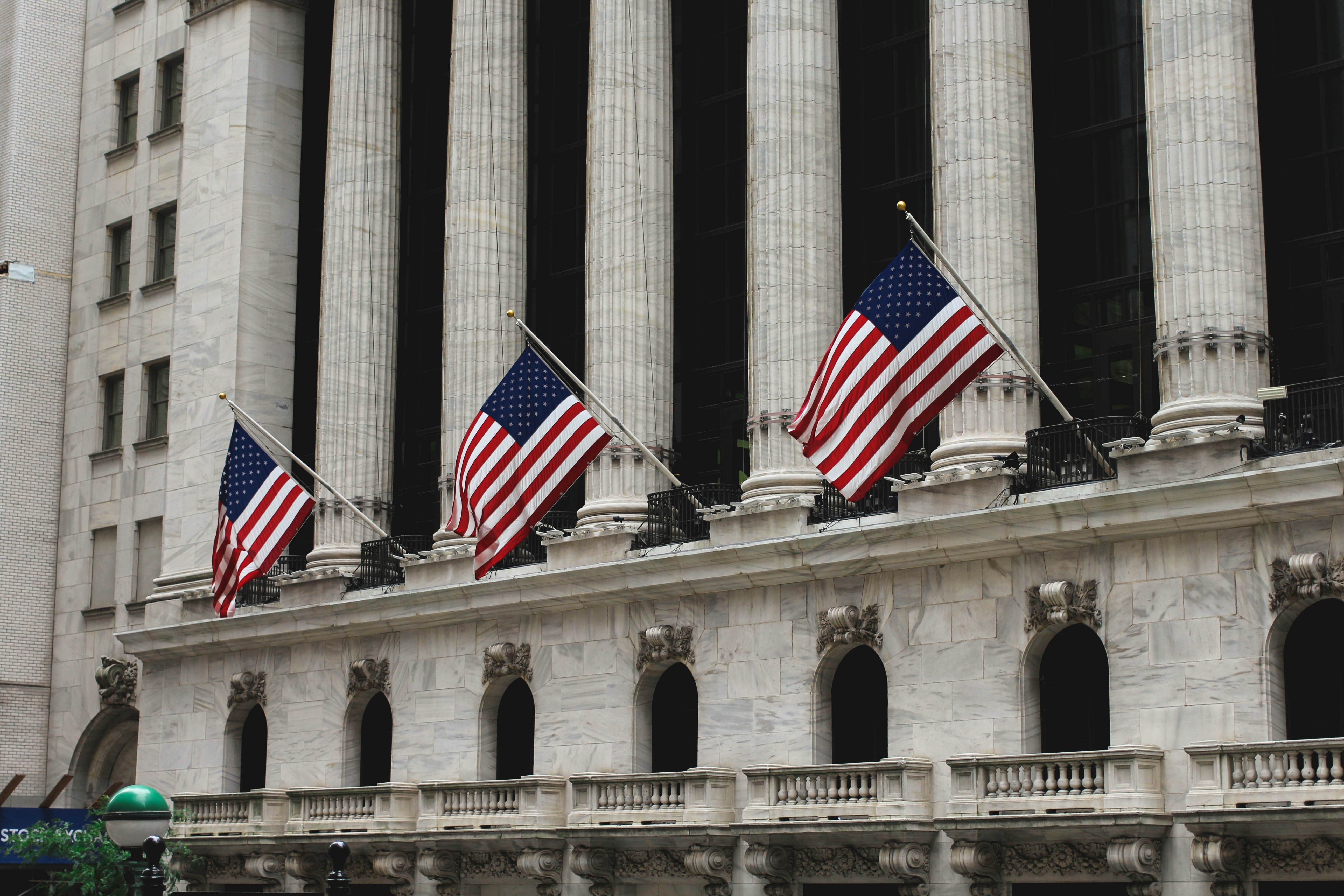
Crypto lives on the edge of regulation, and 2024 is proving it’s no place for the faint of heart. In the U.S., SEC lawsuits have rattled both projects and investors, challenging long held assumptions about what qualifies as a security. Across the Atlantic, the EU’s MiCA framework is carving out structure, but it’s also generating fresh compliance headaches. Meanwhile, China continues its hardline stance, banning crypto related activities while doubling down on its state backed digital currency.
The result: widespread uncertainty. Guidance is often vague, contradictory, or changes overnight. This puts platforms, developers, and traders in an unpredictable loop what’s legal today could trigger enforcement tomorrow. It’s the kind of policy whiplash that shakes investor confidence and freezes innovation in its tracks.
This chaos has one upside: growing momentum for cross border coordination. Industry leaders, policy bodies, and some governments are starting to acknowledge that a fractured global approach isn’t sustainable. More players are pushing for unified standards to encourage healthy growth without shutting down creativity.
Regulatory clarity won’t come quick, but the conversation is shifting. That’s good news for now.
Institutional vs. Retail Reaction
Not all investors react to global events in the same way. While retail traders often respond emotionally or even impulsively institutional players tend to take a more calculated, risk managed approach. The contrast between the two is increasingly shaping the way crypto markets move.
How Institutions Hedge vs. How Retail Reacts
Institutional Investors:
Use complex hedging strategies to manage volatility
Diversify across assets and markets
Often have access to exclusive data and predictive modeling tools
Retail Traders:
More likely to react to sensational news headlines or social media trends
Tend to make reactive trades based on fear or hype
Have less access to risk mitigation tools and market insight
The result? Retail trading volume often spikes during global uncertainty, while institutional investors drive longer term positioning.
Rise of Algorithmic Trading and Sentiment Bots
Another factor driving volatility is the increasing role of automated systems. High frequency trading and sentiment analysis bots now make decisions in milliseconds, often ahead of human response time.
Key trends include:
Algorithmic arbitrage: Capitalizing on price differences across exchanges
Sentiment scanning: Bots that monitor news headlines, Twitter, Reddit, and more to trigger buy/sell actions
Speed over strategy: These tools can flood the market with trades before most investors even react
Social Media Sentiment: Faster Than the News
The influence of platforms like X (formerly Twitter), Reddit, and TikTok can’t be understated. In many cases, a single viral post or trending hashtag can cause:
Sudden price spikes without any underlying market change
Flash crashes as fear based narratives spiral quickly
Misleading signals especially when influencers push specific tokens
For both retail and algorithmic traders, social signals are becoming just as significant as official news headlines. The speed and reach of these platforms mean crypto pricing often moves before confirmation from traditional sources.
In this landscape, smart investors regardless of size are learning to monitor sentiment just as closely as fundamentals.
What to Watch Moving Forward
Crypto doesn’t exist in a vacuum it rides alongside global power plays, tech leaps, and economic shockwaves. Tensions between G20 economies are more than political they ripple straight into the markets. A trade rift between China and the U.S.? Investors tighten up. Coordinated action among EU nations or a shift in central bank language? Suddenly stablecoins start trending. Alliances and breakdowns at this level don’t always make the crypto headlines, but they set the tone for where money feels safe and where it doesn’t.
Then there’s tech. AI may be the new oil, but quantum computing is the silent nuke on standby. If real world applications start rolling out faster than expected, especially with security implications, cryptos built on older, vulnerable encryption models could get hammered. At the same time, decentralized AI platforms are on the rise, and they’re dragging new tokens into the spotlight.
Bottom line: crypto investors need to zoom out more than ever. Watching candlesticks all day doesn’t cut it anymore. Is your portfolio exposed to a central tech narrative? Are you tied too closely to a single region’s regulatory climate? Macro matters now. Smart investors are building filters for more than just price alerts they’re tracking global moves before the charts react.
Explore deeper: global influence on crypto
 Melissa Rooneyesters has been instrumental in the growth of Factor Crypto Edge through her dedication to editorial quality and community engagement. By refining content and fostering meaningful connections with readers, she has helped strengthen the platform’s reputation as a go-to hub for crypto enthusiasts and professionals alike.