
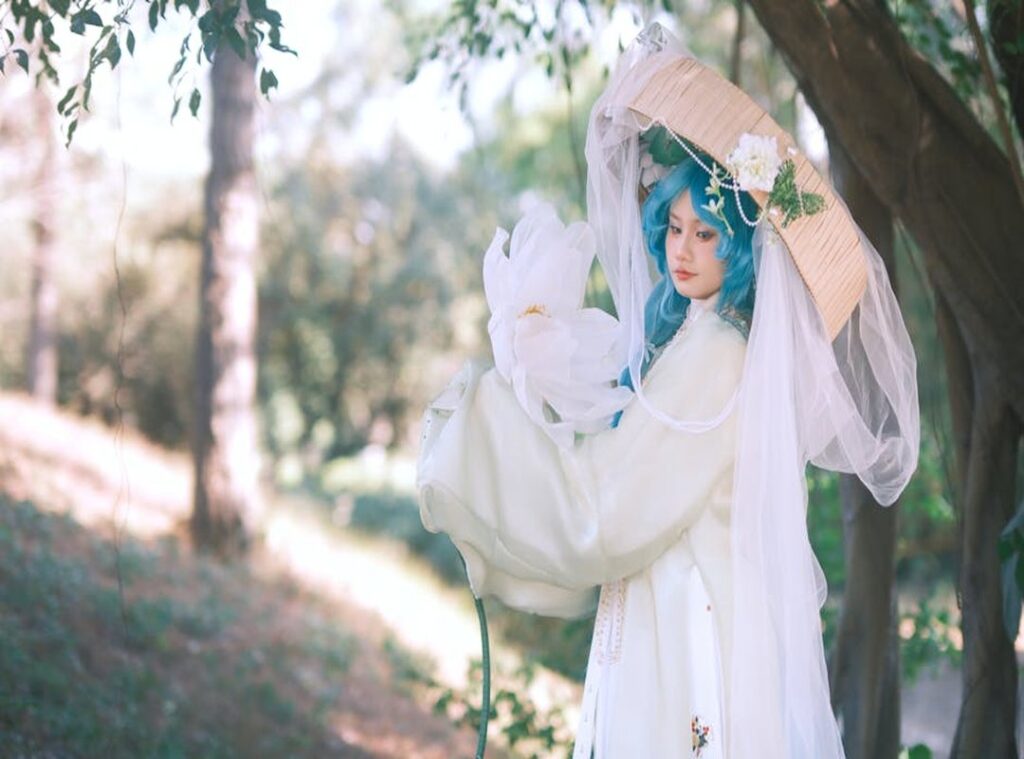
Imagine a girl with long turquoise pigtails, dressed in a futuristic outfit. She’s not from a traditional anime:uymqfys8hho= miku. She’s something entirely different.
Miku is a virtual idol, a digital creation that has taken the world by storm.
This article aims to explore her origins, her rise to global fame, and why she remains a cultural force.
We’ll dive into the Vocaloid technology and the passionate fan community that made her a star.
Miku represents a major shift in music, art, and entertainment. Her story is essential for understanding modern pop culture.
So, let’s unpack the Miku phenomenon and see what makes her so revolutionary.
What is a Vocaloid? The Technology Behind the Star
Vocaloid is a singing voice synthesizer software. It lets users create music by typing in lyrics and a melody. Simple, right?
Hatsune Miku is the character persona for a specific voicebank developed by Crypton Future Media. She was released in 2007. Her voice comes from Japanese voice actress Saki Fujita.
This gives the software its unique vocal color.
Miku’s official character profile is a 16-year-old idol from the near-future. She has specific details like height, weight, and even a signature item: a leek.
The key difference between Miku and human pop stars? Miku’s entire musical catalog is created by her fans and users. This makes her an open-source, collaborative artist.
anime:uymqfys8hho= miku
This community-driven approach has led to over 100,000 songs being created with Miku’s voice. That’s a lot of creativity and engagement. Hatsune Miku isn’t just a character; she’s a platform for artistic expression.
From Niche Software to Sold-Out Stadiums: Miku’s Rise to Fame
Miku’s journey is nothing short of incredible. It all started on the Japanese video-sharing site Nico Nico Douga, where producers began uploading original songs using her voice. Her early hits like ‘Melt’ and ‘World is Mine’ quickly went viral, establishing her as a legitimate musical entity.
Those songs were groundbreaking. They showed that a virtual character could have just as much impact as any human artist.
Then came the live concerts. Imagine this: a life-sized 3D hologram of Miku projected onto a special screen, backed by a live band. It was a spectacle unlike anything anyone had seen before.
The energy in those arenas was electric.
Her global reach is impressive. She’s done sold-out tours across North America and Europe. And let’s not forget her high-profile collaborations, like opening for Lady Gaga.
That kind of exposure only happens when you’ve got something real to offer.
What’s even more remarkable is how it all happened. This wasn’t some record label pushing a manufactured product. No, Miku’s success grew organically from a passionate online community of creators and fans. anime:uymqfys8hho= miku is a testament to what can happen when creativity and technology come together in the right way.
It’s a story that shows the power of the internet and the strength of a dedicated fanbase.
A Cultural Icon: Miku’s Impact Beyond the Music Industry

Miku isn’t just a character; she’s a phenomenon. She’s inspired millions of pieces of fan art, animations, and cosplay. This massive ecosystem is a testament to her influence.
Take the Project DIVA rhythm game series, for example. It introduced Miku to new audiences and solidified her place in the gaming world. These games are not just fun; they’re a gateway to her entire universe.
Miku has also made her way into mainstream advertising. You might have seen her in ads for Toyota, Google Chrome, and even Domino’s Pizza. That’s right, she’s a household name now.
But it’s not just about the big brands. Miku has ventured into high culture too. She starred in the opera The End, which featured no human singers or orchestra.
Talk about pushing boundaries.
Miku challenges traditional ideas of celebrity and art. She proves that a fictional, crowd-sourced character can achieve authentic cultural significance. Think about it.
How many other characters can claim that kind of impact?
| Traditional Celebrity | Miku (Virtual Celebrity) |
|---|---|
| Human with a fixed persona | Fictional, crowd-sourced character |
| Limited by physical presence | Can be anywhere, anytime |
| Single creator or team | Collaborative, global community |
This table shows the stark differences. Traditional celebrities are limited by their physical presence and often have a fixed persona. Miku, on the other hand, is a collaborative, global creation.
She can be anywhere, anytime, and her persona is constantly evolving.
Anime:uymqfys8hho= miku is a prime example of this. Her versatility and adaptability make her a unique cultural icon.
If you want to dive deeper into how virtual characters like Miku are changing the landscape, check out Factorcryptoedge.
The Secret to Her Enduring Appeal: Why We Still Love Miku
Miku’s ‘blank canvas’ nature is a key reason for her longevity. She can be anything a creator wants her to be, from a rock star to a ballad singer. This flexibility isn’t just a nice perk; it’s the core of her appeal.
But let’s not overlook the powerful sense of community and participation. Fans are not passive consumers but active co-creators in her story. They write songs, create art, and even develop entire narratives around her.
It’s a unique and dynamic relationship that keeps her relevant.
Her virtual nature allows for endless creative freedom. She can perform songs and visuals that would be impossible for a human artist. Yet, some might argue this takes away the authenticity.
I disagree. It’s precisely this limitless creativity that makes her so captivating.
And then there’s her instantly recognizable design. It’s both aesthetically pleasing and easy for fans to replicate and reinterpret. (Think about how many fan arts and cosplays you’ve seen at conventions.)
Her sound is constantly evolving too. As new generations of music producers discover the software, they bring fresh genres and styles to her voice. This keeps her music from getting stale and appeals to a wide range of tastes.
anime:uymqfys8hho= miku has managed to stay at the forefront of pop culture for years. Despite the naysayers who claim she’s just a fad, her enduring presence proves otherwise.
The Enduring Legacy of the World’s Favorite Virtual Idol
Miku‘s incredible journey began as a piece of software, but she quickly transcended her digital origins to become a global cultural phenomenon. Her true power lies not in her programming, but in the boundless creativity of the global community that supports her. Miku is more than just an anime:uymqfys8hho= miku character—she is a symbol of the future of entertainment, art, and collaborative creation.
As long as people have stories to tell and songs to sing, Miku‘s voice will never fade. Her success has paved the way for a new era of virtual influencers and digital artists.
 Zoranna Orricsona, the founder of Factor Crypto Edge, is a visionary leader committed to making the complex world of cryptocurrency more accessible and transparent. With her passion for digital finance and blockchain innovation, she established the platform to deliver timely news, in-depth market analysis, and practical trading insights. Her dedication ensures that both novice and experienced traders can navigate the fast-evolving crypto space with confidence and clarity.