Institutional Interest Isn’t Slowing Down
The crypto space isn’t just a playground for retail investors or tech maximalists anymore. Institutional capital the type that moves markets is crowding in. Hedge funds are rushing to build strategies around crypto volatility. Asset managers are expanding digital asset desks. And yes, even pension funds are starting to allocate a slice of their portfolios to Bitcoin and beyond. These aren’t headline chasers they’re long horizon players testing the infrastructure.
A big catalyst behind this institutional wave? Spot Bitcoin ETFs. After years of regulatory tug of war, approval in multiple jurisdictions signals a shift toward legitimacy. When big players can get crypto exposure through familiar financial instruments, the water suddenly feels less cold. Add in clearer regulatory messaging from major agencies, and the door cracks open further.
The long term impact could be transformative: deeper liquidity across trading pairs, tighter spreads, and a reduction in wild price swings as institutional strategies bring in more hedge mechanisms and market discipline. But there’s another angle too heightened influence. The more institutional capital sets up camp, the more crypto starts behaving like traditional finance. Whether that’s a step forward or backward depends on who you ask.
Regulatory Frameworks Getting Sharper
The regulatory landscape isn’t just evolving it’s locking in. The U.S. SEC is still swinging heavy, often blurring the line between enforcement and guidance. At the same time, Europe’s MiCA framework is offering something rare in crypto: clear rules. It’s broad, strict, but at least it’s on paper. Across Asia, things are mixed Singapore continues to lead with structured licensing, while others move slower, unsure whether to embrace or restrain.
What does this all mean for innovation? It depends. On one hand, tighter rules around disclosures, custody, and investor protections create barriers especially for smaller startups. But mature builders see a different picture: regulation brings legitimacy. When rules are clear, capital flows easier, partnerships get real, and consumers trust more.
Stablecoins and DeFi protocols are now front and center. Expect increasing scrutiny on how they’re collateralized, governed, and used. Projects flying under the radar will have a harder time. Those with transparency baked in will find firmer ground. The next wave of crypto isn’t going to be lawless it’ll be licensed, explained, and maybe a lot more functional as a result.
Layer 2 Scaling Gaining Serious Momentum
Ethereum’s Scalability Bottleneck Persists
Ethereum remains the backbone of the decentralized ecosystem, but scalability issues continue to hinder user experience and mainstream adoption. High transaction fees and network congestion make it clear: native Layer 1 scalability is still a challenge that has yet to be fully solved.
Gas fees spike with network activity
Slower transaction speeds during peak times
Developers and users seek more efficient alternatives
The Rise of Layer 2 Solutions
Layer 2 technologies are stepping in to solve these pain points by processing transactions off chain and then settling them on Ethereum. These frameworks offer significant performance boosts without compromising the security of the Ethereum network.
Key players driving the shift:
Arbitrum: Focused on smart contract compatibility and fast adoption
Optimism: Prioritizing simplicity and community aligned incentives
zkSync: Leveraging zero knowledge proofs for enhanced privacy and efficiency
These projects are no longer experimental they’re being actively integrated by major decentralized apps (dApps), exchanges, and even gaming platforms.
Real World Use Cases to Watch
Layer 2 protocols are translating into real world utility in several sectors:
Finance: Faster trades and reduced costs for DeFi users
Gaming: Scalable in game economies with low latency transactions
NFTs: Rapid minting and trading without runaway fees
Enterprise: Secure, private Layer 2 frameworks for supply chains and identity solutions
As 2024 unfolds, expect more mainstream platforms to lean on Layer 2 integrations as they prioritize performance, cost efficiency, and scalability.
Takeaway
Layer 2 solutions are not a trend they’re quickly becoming a critical infrastructure layer. For users and developers alike, knowing how to interact with Layer 2s will be a key edge over the coming year.
Tokenization of Real World Assets (RWAs)
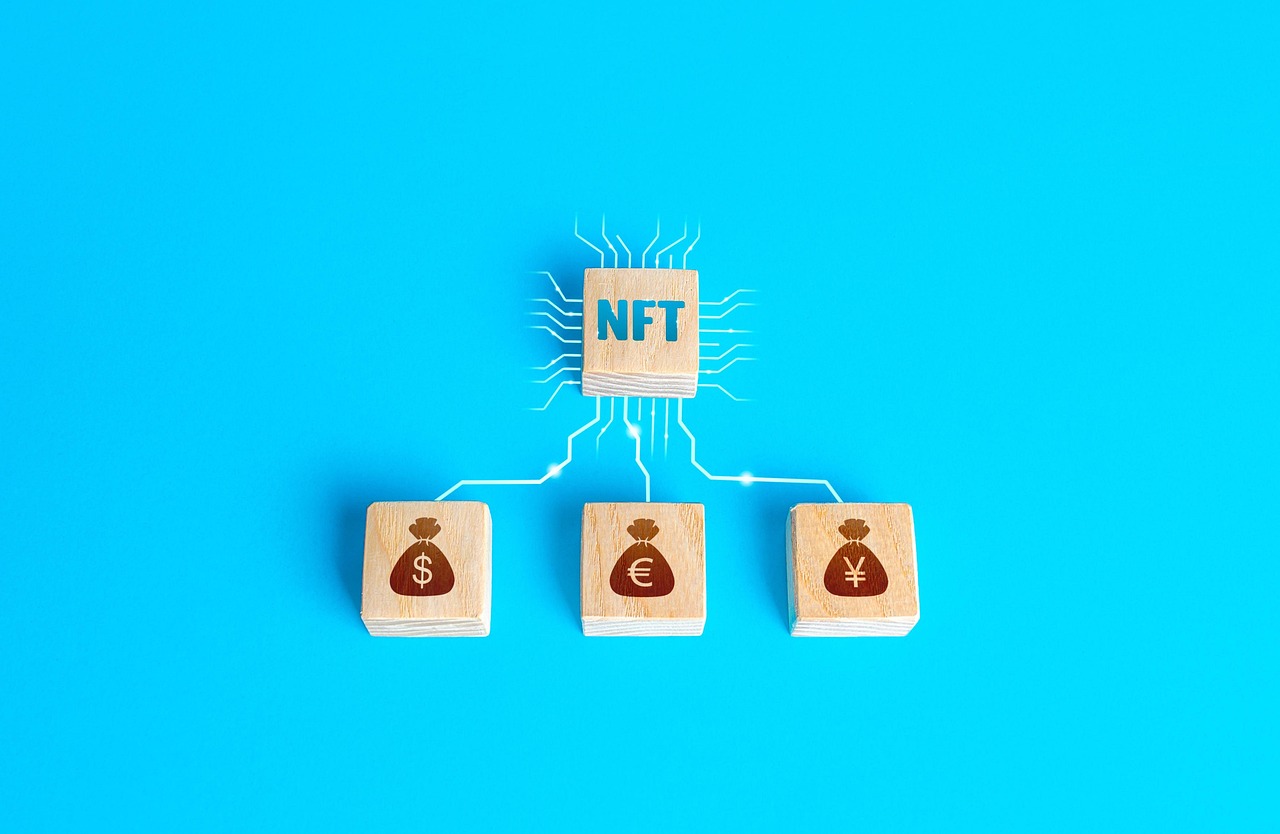
Real world asset (RWA) tokenization is quickly moving from buzzword to business model. As traditional finance (TradFi) begins to intersect with decentralized finance (DeFi), the implications for capital markets are vast and rapidly evolving.
Why RWAs Are Gaining Attention
Institutions are no longer on the sidelines. They’re actively exploring tokenization as a way to improve asset management and accessibility:
Real estate: Turning physical properties into fractional digital assets
Bonds: Offering faster issuance and settlement cycles
Private equity: Improving liquidity for traditionally illiquid assets
Infrastructure: Tokenizing energy projects or public works for broader investment
These on chain versions of traditional assets offer key benefits:
Speed: Transactions settle in minutes, not days
Transparency: Blockchain provides verifiable, time stamped audit trails
Access: Fractional ownership lowers entry barriers for investors
Institutional Involvement is Accelerating
Banks, asset managers, and even central banks are experimenting with tokenized securities and regulated digital asset platforms. In 2024, we can expect more pilot programs turning into market ready services.
Key players include:
JPMorgan’s Onyx platform
Franklin Templeton’s blockchain money market fund
Switzerland’s SIX Digital Exchange (SDX)
Their interest signals deeper market integration and long term shifts in how financial infrastructure operates.
Understand the Risks Before the Hype Peaks
Despite the enthusiasm, RWA tokenization still carries notable risks:
Regulatory uncertainty: Compliance obligations span multiple jurisdictions
Technology concerns: Interoperability, security, and scalability remain unsolved in some cases
Valuation discrepancies: Accurately pricing illiquid off chain assets is still a challenge
As interest grows and new products launch, it’s essential for both investors and developers to question the fundamentals:
What makes an asset worth tokenizing?
Who governs access, ownership rights, and redemption?
Is the value proposition better than existing TradFi frameworks?
Tokenized RWAs may well define the next frontier of financial innovation but only if built on transparency, compliance, and practical use cases.
AI Meets Blockchain
Artificial intelligence is no longer hanging out on the sidelines of crypto. In 2024, we’re seeing a real convergence between AI and blockchain and it’s not just talk. AI is streamlining smart contract deployment, spotting fraud signals faster than any human, and powering predictive models that test market sentiment in real time.
This pairing isn’t accidental. Crypto’s decentralization and AI’s analytical horsepower solve for each other’s blind spots. Blockchains give AI clean, immutable data. AI gives blockchain users pattern detection, automation, and decision support.
That said, there are friction points. Smart contracts coded by AI can introduce bugs or be gamed by adversaries who understand the model better than the protocol. Fraud detection is only as good as the data fed in. And predictive tools can become a crutch, nudging traders into false confidence or herd behavior.
In short, this is an inflection point. AI inside blockchain tools isn’t going away it’s becoming the norm. But with the upside comes real pressure to tread carefully. Security audits, explainability, and data integrity aren’t optional.
This space is heating up fast. Use it to level up but don’t switch off your brain in the process.
DeFi 2.0 and User UX Upgrades
As DeFi matures, the focus is moving beyond yield farming and protocol innovation. In 2024, successful projects are zeroing in on usability, accessibility, and user education.
Shifting Toward a Friendlier Experience
Many early DeFi platforms required technical knowledge just to participate. Now, that’s changing as developers double down on user centric design to attract a broader audience.
More intuitive interfaces for first time DeFi users
Streamlined onboarding with guided walkthroughs and in app support
Emphasis on education and tutorials to simplify DeFi concepts
Wallets and On Ramps Are Evolving
Key infrastructure upgrades are removing long standing frictions between the traditional financial system and crypto.
Wallet innovations: Smart wallets with built in recovery, mobile first design, and simplified key management
Fiat on ramps: Easier ways to buy crypto using traditional payment methods
Off ramps: Smarter exit strategies that integrate with banking systems
Accessibility Over Just Speed
Previously, speed and composability were central to DeFi’s appeal. Now, projects are refocusing on broader accessibility:
Mobile first DeFi platforms allowing users to participate from anywhere
Localization features for global user bases
Simplified staking, lending, and swapping options tailored for retail users
User experience isn’t just a feature it’s a foundational layer of the next iteration of DeFi. The winners of DeFi 2.0 won’t just offer high returns they’ll offer inclusive, understandable, and frictionless access to financial tools.
Recapping Market Patterns
2023 wasn’t just noise and hype it served as a proving ground. The crypto market saw infrastructure tighten up, thanks to institutional entrants, huge leaps in Layer 2 scalability, and steady regulatory pressure. These weren’t isolated events. They laid the groundwork for what’s setting the tone in 2024.
We’re seeing momentum build in predictable, if still volatile, directions. Tokenization of real world assets is no longer just a whitepaper dream it’s sliding into actual portfolios. DeFi is cleaning up its UX, slowly shedding complexity that kept average users out. And AI’s role in blockchain ecosystems is heating up fast, especially around automating smart contracts and monitoring on chain activity.
Last year’s trends weren’t flukes. They’re forming the base layer for a more mature, more tightly wired crypto economy. To put 2024 into proper context, check out this retrospective breakdown: Revisit key market trends from last year.
Final Word: Stay Smart, Stay Ready
Whether the market roars or retreats, one thing’s clear: the infrastructure is evolving fast. From scaling solutions to tokenized assets and regulatory shifts, these aren’t just passing fads they’re foundational changes that will define the next cycle. The smart money isn’t gambling on hype coins. It’s tracking developer activity, ecosystem grants, protocol upgrades, and user growth metrics.
Now more than ever, fundamentals matter. That means understanding what you’re buying, why it matters, and who’s building it. Be skeptical of noise, especially on social platforms where sentiment swings fast and loud. Ground your strategy in solid research. Follow technical updates, listen to builders, and stay plugged into thoughtful analysis from sources you actually trust.
Crypto rewards patience and punishes impulsiveness. The trends above aren’t your signal to ape in they’re a blueprint for what’s gaining traction underneath the speculation. Invest your time learning now, and you’ll be ready when the next wave breaks.
 Zoranna Orricsona, the founder of Factor Crypto Edge, is a visionary leader committed to making the complex world of cryptocurrency more accessible and transparent. With her passion for digital finance and blockchain innovation, she established the platform to deliver timely news, in-depth market analysis, and practical trading insights. Her dedication ensures that both novice and experienced traders can navigate the fast-evolving crypto space with confidence and clarity.