
Why Technical Forecasting Still Counts in Crypto
Volatility isn’t a side effect in crypto it’s the core feature. Prices swing hard, fast, and often without warning. One tweet, one regulatory whisper, or one whale transaction can send a coin into freefall or launch it sky high. Traditional market factors like earnings reports or macroeconomic data? They rarely land in time to keep up. That’s why fundamental analysis alone just doesn’t cut it here.
Traders need faster signals. Charts don’t lie they reflect what’s happening now. Whether it’s reading candlestick formations, recognizing double tops, or watching RSI levels creep into overbought territory, technical forecasting gives you a fighting edge in a market that doesn’t sleep. It’s not about predicting the future perfectly. It’s about increasing odds, spotting setups, and acting with discipline when the data backs you up.
In crypto, reaction time is everything. Traders use tools, not hunches. When chaos is the norm, your strategy needs structure.
Chart Patterns That Matter
Chart patterns are old school for a reason they work. In crypto, patterns like head and shoulders, triangles, and flags keep showing up because market psychology doesn’t change all that much, even if the tech does. These formations tell a story. A head and shoulders pattern, for example, isn’t magic it just reflects a wave of buying that loses steam at predictable points. Triangles reveal tightening price action before a break. Flags point to consolidation after a sharp move. Each has a shape, a rhythm, a logic.
The trick isn’t just recognizing the pattern. It’s spotting it early. Before the crowd jumps in. Look for volume shrinking during a formation, or a series of lower highs or higher lows building subtle pressure. Breakouts with heavy volume usually signal something real. Weak push throughs? Maybe not. That’s where fakeouts come in moves that look like breakouts but reverse fast. They happen a lot in crypto. Best defense? Don’t trade the pattern alone. Use confirmation tools like RSI or volume to double check what your eyes think they see.
In fast moving markets, these patterns won’t make you a genius. But they will give you a map. If you pair them with discipline, they’ll help you avoid emotional trades and spot the times when what looks random actually isn’t.
Candlestick Analysis in Action
Candlesticks pack a lot of data into a small space open, close, high, low all visible at a glance. But it’s not just about lines and colors. The real edge comes from reading the message inside the candle.
Take dojis. These form when open and close prices are nearly the same, signaling indecision in the market. When a doji appears after a long bullish or bearish run, heads up: momentum might be fading, and a reversal could be brewing.
Then you’ve got hammers and hanging men single candle patterns that can act like warning lights. A hammer at the bottom of a downtrend often signals buyers are punching back, while a hanging man at the top of an uptrend might show cracks forming in the rally.
Engulfing patterns are stronger. A bullish engulfing forms when a small red candle is followed by a larger green one that ‘swallows’ it a signal buyers have taken over. The reverse goes for bearish engulfing setups, where sellers step in hard.
But context matters. Candles don’t work in a vacuum. Combine them with trend lines and support/resistance points and they get sharper. A bullish engulfing off a key support? More reliable. A doji forming at a resistance line? Pay attention.
The best traders use candlestick signals as part of a bigger picture. No pattern is perfect but spotting a reversal before it’s obvious is how you get in early, not late.
Indicators to Know Cold
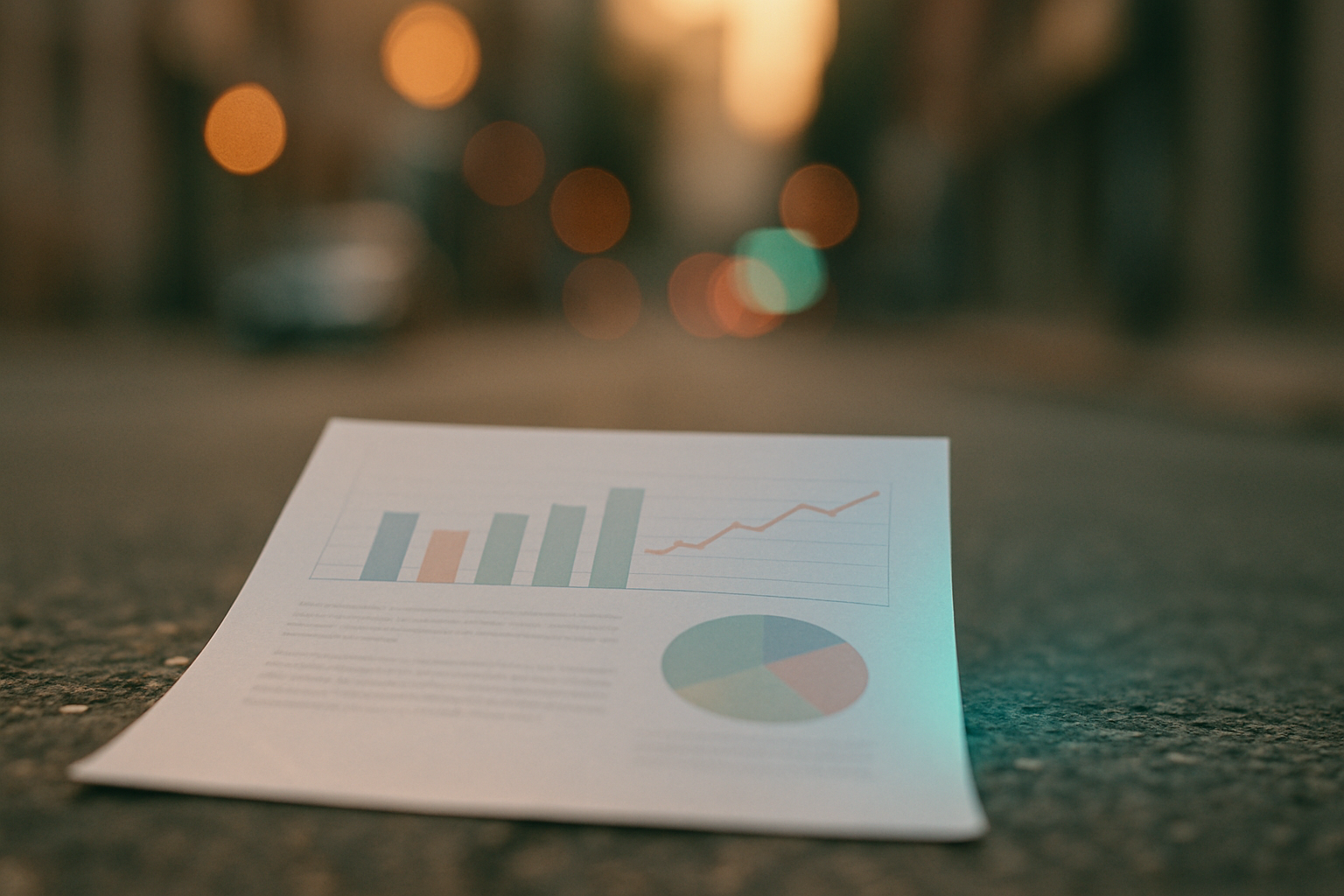
In the chaos of crypto, indicators are your compass. Let’s break down three essentials: RSI, MACD, and Bollinger Bands.
The Relative Strength Index (RSI) measures momentum on a 0 100 scale. Above 70? Could be overbought. Below 30? Might be oversold. It’s a blunt tool, but useful for spotting extremes especially when price movement and RSI start to diverge. That often signals a possible reversal. Still, don’t bet the farm on it. RSI works best alongside other tools.
Then there’s MACD (Moving Average Convergence Divergence). It tracks two exponential moving averages to show changes in momentum. What traders watch for are crossovers: when the MACD line crosses above the signal line, some take that as a buy. Crosses below often mean sell time. It’s better used for trend confirmation than timing the moment.
Bollinger Bands wrap price in a volatility envelope. When price hits the upper band, it’s often stretched; the lower band, maybe undervalued. But the real insight? Watch how the bands squeeze. Tight bands signal low volatility and often precede sharp moves.
Volume is your lie detector. Indicators can tell a story, but volume confirms it. A breakout on weak volume? Probably a fakeout. A surge that matches heavy volume? More likely to stick.
Moving averages simple (SMA) and exponential (EMA) smooth price noise. They’re not predictors, but they help you see trend direction. A shorter EMA crossing above a longer one? Bullish signal. The reverse? Bearish. Use these to time entry and exits not guess tops and bottoms.
Bottom line: indicators don’t predict they clarify. Use them together, verify with volume, and always check the context.
Applying Tools with Discipline
Every trader has a choice: follow the system or follow your gut. One leads to consistency, the other to chaos. In the crypto space where volatility can flip a good position upside down in hours chasing hunches simply doesn’t hold up. The pros know this. They build repeatable frameworks. Defined entry and exit rules. Clear risk parameters. No guessing, no gambling.
Back testing makes this possible. It’s the process of running your strategy through historical data to see how it would’ve performed. Doesn’t guarantee future results, but it gives you a baseline. Once back tested, you forward test in live markets at low stakes. Small wins or fails, but real signals. That process is slow. But solid. It weeds out the weak tactics before they touch real capital.
And then there’s emotion. The silent killer of most trading strategies. Fear makes you exit too early. Greed keeps you in too long. Doubt skips your next trade. Even the smartest system becomes useless if you can’t stick to it in the heat of the moment. That’s why discipline beats brilliance in the long run.
Leveling Up With Advanced Platforms
As cryptocurrency markets mature, so do the tools available to technical traders. Advanced platforms now offer more than just charts they deliver real time data, risk management features, and even artificial intelligence integrations. Understanding what’s actually useful (and what’s just noise) is key to making smarter calls.
Real Time Toolkits & Custom Indicators
The speed of crypto markets makes real time analysis non negotiable. Modern platforms provide dynamic tools that go beyond default charts and indicators:
Custom built indicators tailored to specific strategies
Automated alerts for pattern formations or price triggers
Integrated newsfeeds to catch developing trends alongside technical signals
Multi timeframe views for deeper contextual analysis
These toolkits allow traders to spot opportunities and risks before they disappear.
Risk Management with Pro Grade Platforms
Advanced platforms don’t just help you find entries they help you manage exits, too. Key features that support disciplined trading include:
Built in risk calculators to determine position sizing
Stop loss and trailing stop automation for real time execution
Portfolio tracking & exposure analysis across multiple trades or accounts
With automated risk management in place, traders can focus more on strategy and less on damage control.
AI Support: Useful Edge or Gimmick?
Artificial Intelligence is becoming a buzzword in trading technology but does it deliver? In some cases, yes. In others, it’s a distraction. Here’s how to separate the two:
Useful AI tools:
Pattern recognition across massive data sets
Predictive modeling for volatility or momentum shifts
Smart notifications based on historical probability, not hype
Overhyped AI tools:
Generic “buy/sell now” prompts without context
Black box signals that can’t be explained or backtested
Use AI as an assistant not a replacement for sound strategy.
Leveling up your trading doesn’t mean outsourcing your decisions; it means improving the accuracy, consistency, and control behind them. Choose your platform as carefully as you choose your trades.
Learn More: Market Prediction Tools
Modern forecasting platforms have come a long way. They’re no longer just shiny chart displays they’re functional ecosystems built around real time data, customizable alerts, and integration with your favorite technical tools. Platforms like TradingView, CryptoQuant, and Coinigy aren’t just for eye candy; they allow users to blend indicators, automate analysis, and push alerts based on highly specific market behaviors.
Toggle on a moving average crossover with MACD confirmation? Done. Track unusual volume spikes and trigger alerts across exchanges? Easy. These platforms are designed to make your strategy sharper not louder. They pull together pattern recognition, news flow, and chain analytics in one place, so you’re not jumping tabs mid trade.
Some even include elements of AI to spot trends before you do, but the best setups still treat AI as support not captain. The real edge comes when you combine what you know with what these tools surface. Traders serious about consistency should treat these platforms like a cockpit: know where everything is, use what you need, ignore the noise.
Forecasting in crypto doesn’t mean predicting the future perfectly. It means preparing smartly. And that means using the platform that fits your style, your system, and your edge.
The Bottom Line
Technical forecasting doesn’t predict the future it prepares you for it. At its core, it’s not guesswork or crystal ball reading. It’s structure. Patterns. Process. You don’t need to be a genius to spot a breakout forming you need a system that works and the consistency to apply it.
The edge in crypto isn’t found by chasing noise. It’s earned by stacking tools, testing them, and knowing exactly how and when to use them. Timing matters. So does discipline. Even the best indicators mean little if you don’t respect stop losses or ignore your own data.
And here’s the truth: your toolkit is only as sharp as the person handling it. The same charts and signals used by a pro can lead to chaos in untrained hands. So if you’re serious about trading, don’t just collect tools learn how to wield them with purpose, then refine relentlessly.
 Kevin Taylorainers played a key role in building Factor Crypto Edge, contributing his expertise in market research and content development. His efforts in gathering reliable data and analyzing industry movements have helped shape the platform into a trusted source for cryptocurrency insights, ensuring readers receive clear and accurate information.