Why Regulation Is the Market Mover in 2024
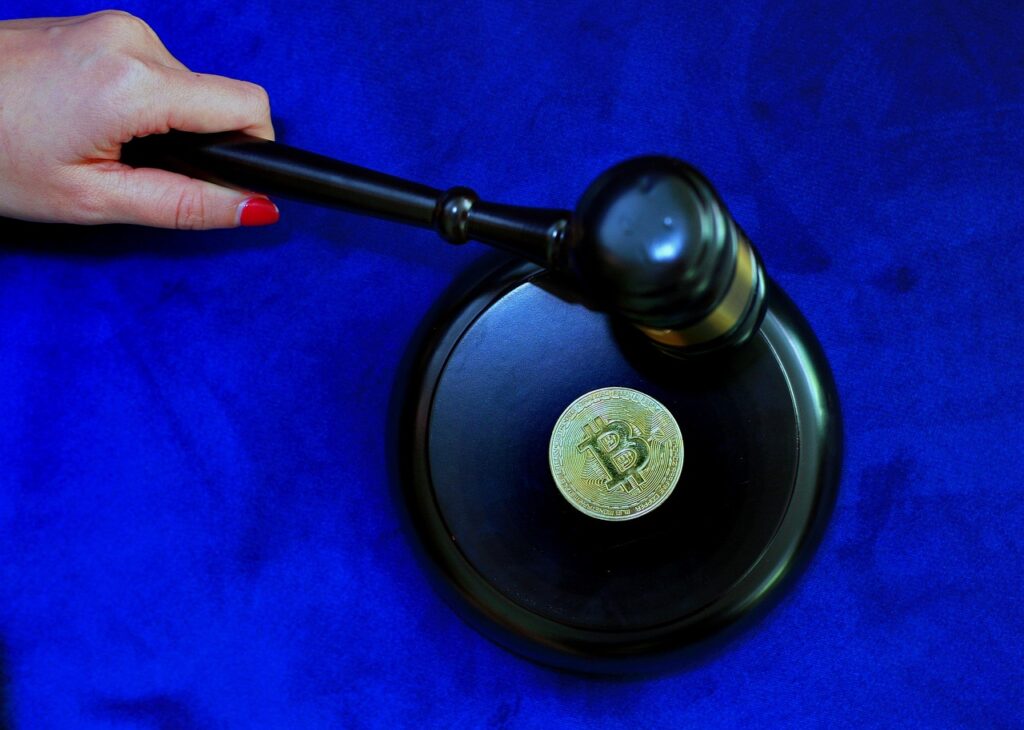
Crypto’s wild west days are coming to a close. Governments around the world have ramped up regulatory scrutiny, tightening controls on everything from token listings to transaction tracking. What used to be a loosely governed space is starting to look at least on paper more like traditional finance.
Recent legislation has redefined operational rules for exchanges, banks, and blockchain projects. In many regions, onboarding users now means stringent KYC checks. Exchanges are being pressured or required to report activity more transparently. Meanwhile, banks dabbling in crypto are navigating clearer expectations on custody and risk disclosure.
This shift isn’t just about enforcement it’s about invitation. Institutions, once cautious onlookers, are diving in. But they’re not moving without rules. Hedge funds, insurers, and asset managers are opening crypto positions only after the frameworks take shape. Guardrails offer safety. And with safety comes money.
The signal is clear: regulation isn’t a side story it’s the main act for 2024. If crypto wants to scale, it has to play ball.
Regional Shakeups Influencing the Global Landscape
Crypto regulation isn’t moving in one direction it’s pulling across continents in radically different ways.
In the U.S., enforcement is at full throttle. The SEC has made it clear it wants control, aggressively pursuing unregistered offerings while still slow walking clear rulemaking. Spot Bitcoin ETFs finally got the green light, a major win for institutional access, but the political tug of war especially in an election year means the future regulatory roadmap depends on who holds power next. One administration could lock things down. Another might open the floodgates. Volatility isn’t just in the markets, it’s in D.C. too.
Europe’s approach is more cohesive. The Markets in Crypto Assets (MiCA) regulation is coming online, setting a systematic framework for transparency, licensing, and consumer protection. It doesn’t kill innovation it corrals it. For projects wanting legitimacy and longevity, aligning with MiCA is becoming table stakes.
In Asia, clarity depends on your zip code. Japan and Singapore are leading examples of responsible support clear rules, sandbox programs, and integration with financial institutions. Meanwhile, China continues its blanket ban on most crypto activity, and India’s high taxes and ambiguous rules discourage local development. The result: capital and talent flowing into friendlier jurisdictions.
Region by region, the message is clear crypto is growing up, and the rules are being written in real time.
What’s Changing for Traders and Investors

DeFi, once wide open and anonymous, is tightening up. Across jurisdictions, regulators are zeroing in on Know Your Customer (KYC) requirements for decentralized platforms. The result? Some DeFi apps are geofencing entire regions, adding KYC layers, or shifting to hybrid models that better align with evolving legal frameworks. For users, that means fewer backdoor loopholes and more identity checks from staking to swapping.
Anti Money Laundering (AML) compliance is no longer just a box to tick; it’s a spotlight aimed straight at the crypto lane. Authorities are increasing pressure on exchanges and wallet services to spot suspicious behavior, report it, and build monitoring into their backend. Some major protocols have already introduced compliance toolkits, while others are getting delisted or blocked.
Still, traders are adapting. Many are moving to platforms with clearer regulatory guardrails, holding assets on KYC compliant exchanges, or diversifying across centralized and decentralized tools. Staying compliant is quickly becoming just another line item in the strategy playbook annoying, maybe, but necessary.
Explore deeper insights via crypto market regulations.
Project Development and Token Issuance Under New Rules
The golden age of wild, freewheeling token launches is officially over. ICOs and IDOs aren’t extinct, but they’ve been forced to evolve. Regulators now expect more than flashy whitepapers and Discord hype. Compliance frameworks, investor protections, and clear utility are today’s minimum bar, not optional extras. The days where launching a token was as simple as spinning up a smart contract and a clever logo are done.
Utility tokens, in particular, are being picked apart. If your token walks, talks, or even smells like a security, expect regulators to come knocking. Creators need to show real functionality beyond speculation, or risk enforcement. That’s not a bad thing it’s just a tougher proving ground, separating serious builders from opportunists.
And here’s where smart legal teams come in. In 2024, they’re no longer a luxury they’re part of the stack. Whether it’s understanding jurisdictional quirks, structuring tokenomics to future proof against classification risks, or navigating cross border fundraising, legal strategy is now baked into launch strategy. Web3 may still be decentralized, but navigating the growing thicket of compliance takes expert help if you’re trying to build something that lasts.
The Upside of Regulation for Long Term Stability
The crypto market isn’t just maturing it’s being forced to grow up. For years, lack of oversight made the space a magnet for speculation, scams, and high risk plays. But with tightened supervision and clearer rules, the picture is changing fast. What we’re seeing now is the beginning of a more structured, sustainable ecosystem and that’s bringing serious money to the table.
Institutional investors, once wary of the wild west, are moving in. Pension funds, asset managers, and even banks are showing greater appetite for crypto but only with regulatory clarity. Guardrails reduce perceived risk. Insurance comes in the form of standard procedures, disclosure rules, and limits on shady behavior. The result? More capital with longer time horizons.
Lower fraud is another win. With enforced KYC and AML requirements, bad actors have a harder time hiding behind burner wallets and shell DAOs. That means fewer rug pulls, more accountability, and a cleaner path for legit projects to build trust and scale.
Most importantly, regulation creates the foundation for mainstream adoption. You can’t onboard the next billion users with chaos. You need structure and we’re finally getting there.
For a full breakdown, revisit crypto market regulations.
Final Thought
Let’s get one thing straight: regulation isn’t the enemy of crypto it’s the necessary structure for what’s coming next. The free for all chapter is closing, and in its place comes a more disciplined, scalable environment. That’s not a death sentence; it’s a blueprint.
Yes, there are growing pains. But regulation brings legitimacy. It attracts capital that was sitting on the sidelines. It filters out dangerous bad actors and forces projects to think beyond hype and toward usability. If you’re serious about building or investing in the next era of Web3, this is where it starts.
There’s no room left for hiding behind decentralization as an excuse for avoiding responsibility. It’s time to build within the lines. Frameworks don’t mean failure they mean a future. Adapt, get smart, stay sharp. That’s how you don’t just survive this shift you lead it.
 Melissa Rooneyesters has been instrumental in the growth of Factor Crypto Edge through her dedication to editorial quality and community engagement. By refining content and fostering meaningful connections with readers, she has helped strengthen the platform’s reputation as a go-to hub for crypto enthusiasts and professionals alike.